The First 72 Hours Home After Surgery: What Actually Matters Most
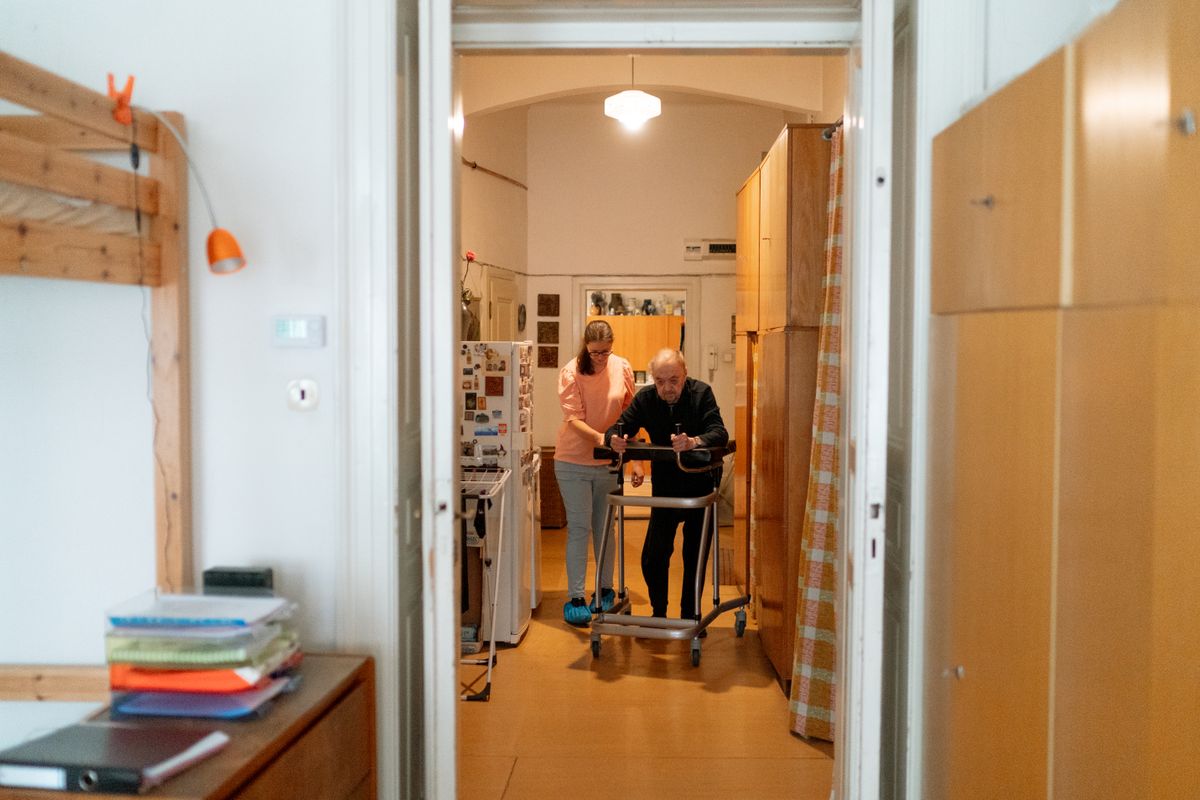
Most guidance about recovering at home after surgery reads like a long, general checklist. Here's the more specific, more useful version: research on hospital discharge consistently shows that most preventable complications, falls, medication errors, and hospital readmissions, happen in the first 72 hours after getting home, not weeks later. That narrow window is where the real risk actually concentrates, so it's worth knowing what to watch specifically during those first three days.
What Actually Matters Most in This Window
Medication timing, not just medication lists. New prescriptions, changed dosages, and pain medication on top of existing prescriptions are where errors cluster. Someone needs to actually track what's been taken and when, especially when pain and grogginess make it easy to lose track.
Fall risk is highest right after surgery, not months into recovery. Pain medication, general weakness, and unfamiliar mobility limits combine in a way that's easy to underestimate. A clear path to the bathroom and someone present for the first few times standing up matter more in these first few days than any long-term exercise plan.
Know what a real warning sign looks like versus normal discomfort. Increasing redness, swelling, fever, or new confusion need a call to the doctor, not a wait-and-see approach. Having someone in the home who can actually notice these changes matters most in this specific window.
The discharge paperwork isn't the whole plan. Discharge instructions are written fast, during a stressful moment, and are often skimmed rather than absorbed. Having someone available at home to re-read them and ask the follow-up questions that didn't come up at the hospital closes a real gap.
This is exactly the window our ConciergeCareprogram is built around, hospital-to-home transitional support focused specifically on this early, highest-risk stretch of recovery.
Questions Worth Asking Before You Leave the Hospital
Discharge conversations move fast, and most of what gets said happens once, verbally, while everyone in the room is focused on logistics. A few specific questions asked directly to the discharge nurse or physician, before leaving, close a real gap.
Ask Before You Walk Out the Door
- What symptom, specifically, should trigger a call rather than a wait-and-see approach for this particular procedure?
- Which of the new prescriptions replace an existing one, versus which are genuinely additional?
- Is there a specific weight-bearing or activity restriction that isn't obvious from the written instructions alone?
None of this requires special training, it requires someone whose job in that moment is asking the question and remembering the answer, rather than the patient trying to absorb it all while still groggy from the procedure itself.
How SYNERGY HomeCare Supports This Window
If your family has a hospital discharge coming up, a freeCare Consultation with our team can help make sure the first 72 hours at home go smoothly. For the fuller first-two-weeks picture, ourpost-surgery recovery checklistis worth reading alongside this one.