Board and Care Homes in North San Diego County: How They Work, What They Cost, and How In-Home Care Compares
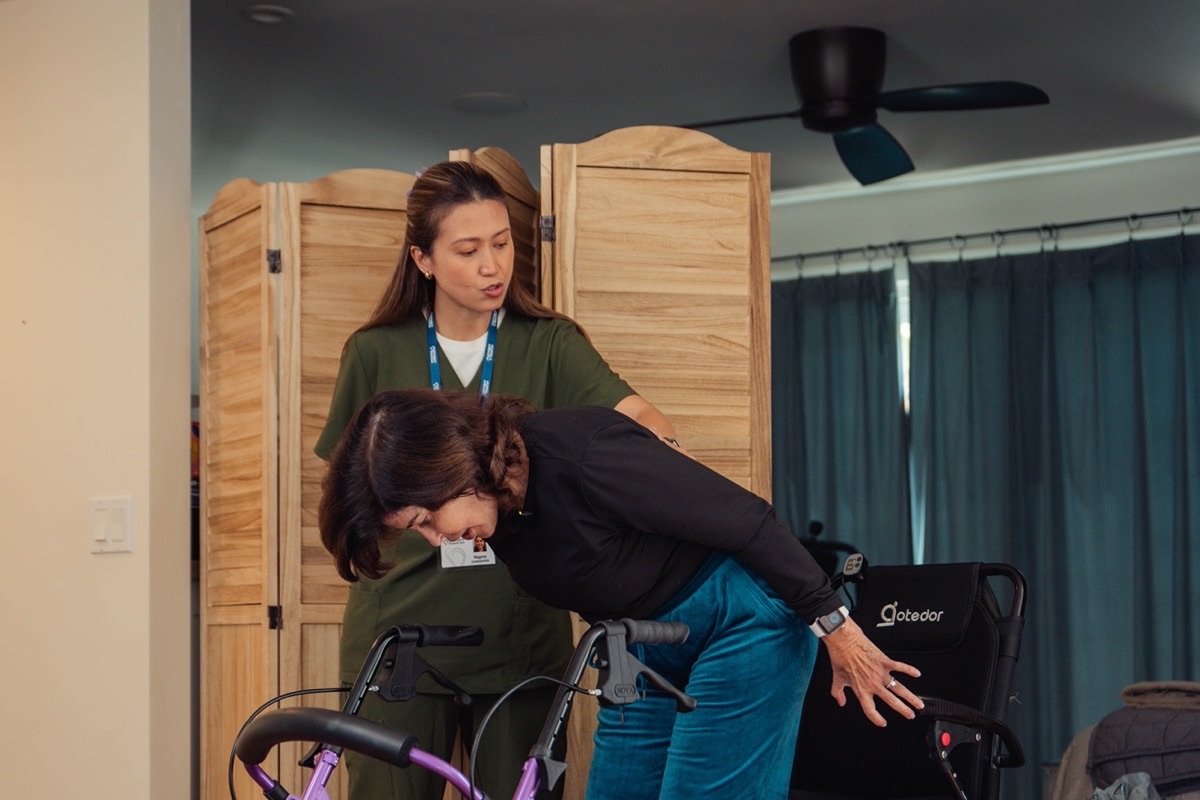
A board and care home in San Diego County is a small, state-licensed house, usually six residents or fewer, on an ordinary residential street in a town like Oceanside, Vista, Escondido, or San Marcos. The California Department of Social Services licenses it as a Residential Care Facility for the Elderly, the same license a large assisted living community holds. It provides non-medical care around the clock: a room, meals, help with bathing and dressing, and staff who notice when something changes.
Our guide to home care vs. assisted livingcovers the big-community version of this decision. This is the small-home version. Many North County families choose a board and care home well. The question is not "are they good" but "is this the right setting for my parent, compared with staying home with help."
Board and Care Homes in California: Key Facts
- Licensed by the California Department of Social Services as a Residential Care Facility for the Elderly (RCFE); CDSS says "board and care home" and "assisted living facility" are common names for the same license
- Typically a house licensed for six or fewer residents; state law treats a home that size as a residential use of property, like any family dwelling
- Non-medical by law. The state admission agreement form states an RCFE is not allowed to provide 24-hour skilled nursing care
- Required basic services: care and supervision, three meals a day plus snacks, help with dressing, eating, and bathing, assistance with medications, and a planned activity program
- Check any home at the CDSS Care Facility Search (ccld.dss.ca.gov/carefacilitysearch), which shows five years of licensing reports and complaints
- Rates are set by each home, not the state. Admission agreements must state what triggers a rate increase and give 60 days notice of general increases
What is a board and care home in San Diego County?
Legally, it is an RCFE. CDSS describes an RCFE as housing for people 60 and older where 24-hour non-medical care and supervision is provided, and says RCFEs are often called assisted living facilities or board and care homes. "Board and care" means the small end of the range: per the state's consumer guide, some licensees care for six residents or fewer, others for more than a hundred.
The six-resident line matters. Under California Health and Safety Code section 1569.85, an RCFE serving six or fewer people is a residential use of property and needs no zoning permit a family house would not need. That is why a licensed care home can be the stucco house three doors down from your parent's friend in Vista.
How much do board and care homes cost, and what changes the rate?
The state does not set rates. Each home prices its own services, and the admission agreement must spell out the monthly rate, optional charges, the refund policy, and what can raise the rate. A general increase needs 60 days written notice; a move to a higher level of care that raises the rate requires itemized notice within two business days. Ask what "level of care" means at that home before you sign; that is the real monthly number.
For a frame of reference, the CareScout 2025 Cost of Care Survey (the Genworth survey) puts the California median for an assisted living community at $7,000 a month. That is statewide, not North County, and it lumps every licensed facility together, so it will not tell you what a six-bed house in Escondido charges. Get each home's rate sheet and ask for the all-in monthly cost for your parent's needs today.
In-home care is a different math problem because it is billed by the hour. SYNERGY HomeCare of North County charges one flat hourly rate regardless of the type of care, so cost is driven by hours and schedule, not a care tier. Four hours a day is a very different number from 24-hour coverage. The math is in our guides to thecost of in-home care in North Countyand what to expect from 24-hour in-home care.
How do you check a home's license and inspection history?
Start at the CDSS Care Facility Search at ccld.dss.ca.gov/carefacilitysearch. It holds five years of information on every licensed facility: license status, date licensed, visits, complaints, and the licensing reports themselves. Then go in person. CDSS is blunt about this: never rely on the website alone, always visit, and ask to see the current licensing information, which a home is required by law to show you. For the full public file, including any civil penalties, contact the Regional Office listed on the facility's search result.
What questions should you ask a board and care home?
Tour several homes, read the admission agreement, then ask these. Each is tied to something the regulations address.
- Who is here at night, and are they awake? The night supervision rule requires an awake, on-duty employee overnight only in facilities with 16 or more residents. Under 16, the rule is a qualified person on call on the premises, so in a six-bed home an awake overnight caregiver is the operator's choice. Ask who is in the house at 2 a.m.
- Who handles medications? Staff may assist with self-administered medications but may not give injections unless authorized by law. Ask how medications are stored and who hands them out.
- What happens when my parent's needs increase? A home can give 30 days notice if a reappraisal finds a need it cannot meet, and CDSS can order a move when a condition cannot be cared for within the limits of the license. Ask which conditions would end the placement.
- Can my parent stay through end of life? State rules let a home keep a resident who becomes bedridden only if it meets extra requirements, and keep a resident on hospice only if it holds a hospice care waiver. Without those, a decline can mean another move.
- Does the home have a dementia plan? The admission agreement must say that any dementia-specific services are described in the home's plan of operation, available on request. Ask to read it.
- Visiting and meals? The agreement must include a visiting policy that encourages family involvement; ask whether you can drop in unannounced. Three meals and snacks are required; ask to see the menu and eat one there.
When a board and care home fits, and when staying home fits
A board and care home is often the right call when:
- Your parent needs someone present around the clock and 24-hour in-home coverage costs more than the family can sustain.
- Isolation is the main problem. A six-person household with shared meals can do more for a lonely parent than any visit schedule.
- The house itself is the hazard, or a family caregiver is at the end of their rope and needs a predictable monthly rate.
Staying home with in-home care is often the right call when:
- Your parent needs a few hours a day, not 24. A morning shower, lunch, and medication reminders cost a fraction of a facility rate.
- The home is the anchor. In early dementia, familiar rooms and routines are often what hold the day together.
- You want one-to-one attention, or your parent refuses to move and forcing it would cost trust you will need later.
The question is not whether board and care homes are good. Many are. The question is whether your parent needs a new household, or just more help inside the one they have.
What a board and care home can't do, and where in-home care fits
A board and care home cannot provide skilled nursing, cannot promise your parent will never move again, and cannot give one person a caregiver's full attention for hours. In-home care fills that gap. SYNERGY HomeCare of North County serves Oceanside, Vista, Escondido, and San Marcos from our office in Carlsbad.Personal care covers bathing, dressing, meals, and medication reminders by the hour. 24-hour care is a rotating team of caregivers on shifts for a parent who needs someone present day and night.Dementia care keeps a familiar routine in a familiar place. Some families use it to delay a move, or to add one-to-one hours for a parent already in a board and care home.
Whichever way you lean, vet the provider the way you'd vet a home; our guide towhat a trustworthy home care agency tells you is the in-home version of the license check above. To talk through your parent's hours and what they would cost, set up a freeCare Consultation or call (760) 990-4289.
Sources:California Department of Social Services, Resources for Residents and Families;CDSS, Facility Search Welcome;CDSS, Care Facility Search;CDSS, Choosing a Residential Care Facility for Seniors in California;CDSS, LIC 604A Guide to Admission Agreements for RCFEs;CDSS, Title 22 RCFE Regulations, Sections 87415 and 87465;California Health and Safety Code Section 1569.85;CareScout (Genworth), 2025 Cost of Care Survey.